Ongoing
The project investigates ECG- and PPG-based computational methods for biometric recognition, continuous authentication, and wearable health applications. It combines compact binary templates, correlation-based matching, deep neural networks, and cross-signal interoperability to recognize individuals from their cardiac activity with limited user cooperation. Results include fast HeartCode matching, deep ECG identification above 90% with short multi-lead signals, and MultiCardioNet equal-error rates of 2.15% for ECG, 2.42% for PPG, and 4.76% across the two sensing modalities.
Completed
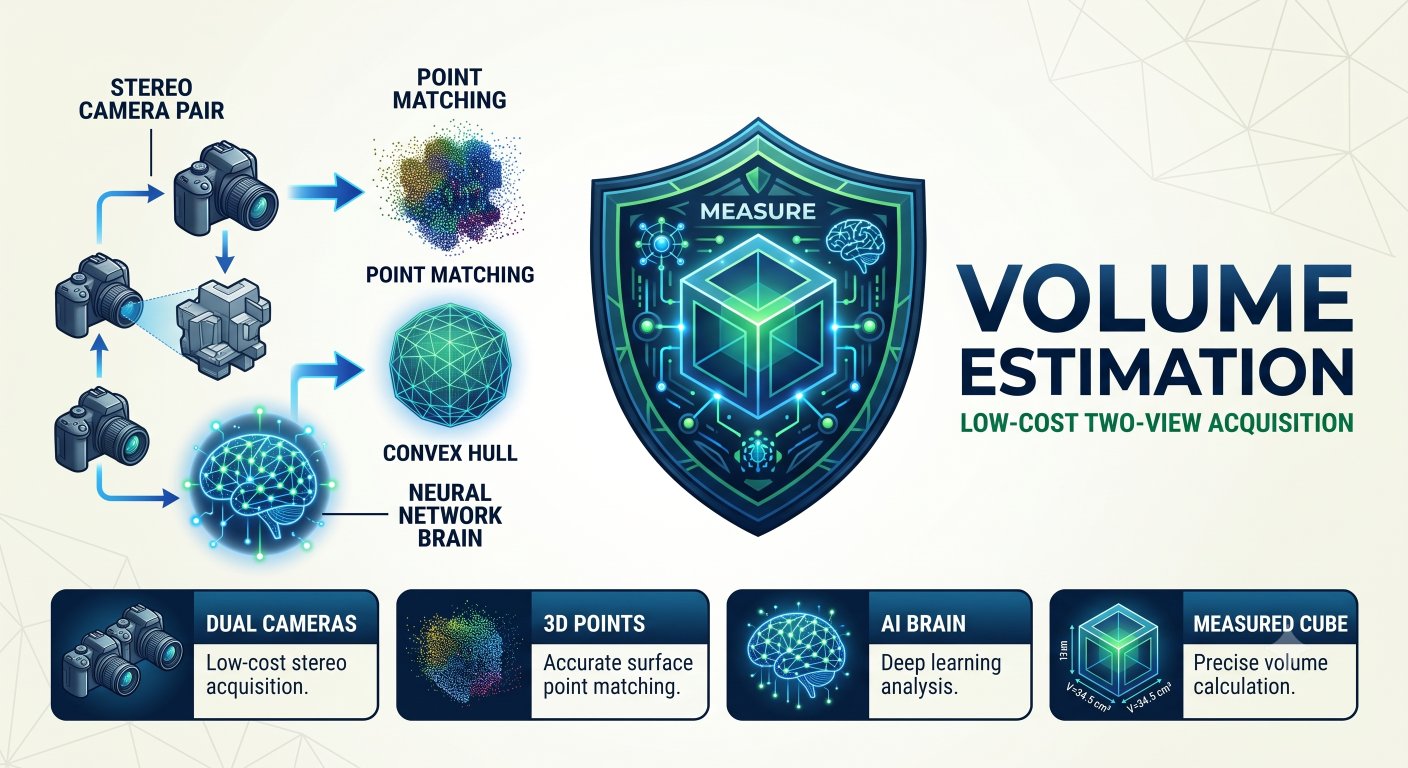
The project develops a low-cost, contactless two-view system for acquiring and reconstructing latent fingerprints impressed on fragile clay artworks. Stereo matching, triangulation, surface estimation, and texture mapping produce metric 3D fingerprint models that are less affected by perspective distortion and acquisition viewpoint. The method was validated on 275 image pairs from an artwork attributed to Antonio Canova, achieving a calibration error of 0.04 mm and a reconstruction error of approximately 0.5 mm.

Completed
The ABC4EU – ABC Gates for Europe project developed and validated harmonised Automated Border Control solutions for faster, more secure, and less intrusive border crossings across Europe. The research combined second-generation e-passports, face and fingerprint recognition, multimodal biometric fusion, anti-spoofing, mobile border-control tools, and privacy-by-design principles. Pilot systems were tested at airport, seaport, and land-border sites, while dedicated biometric methods improved recognition accuracy under the non-ideal conditions encountered at operational e-Gates.
Completed
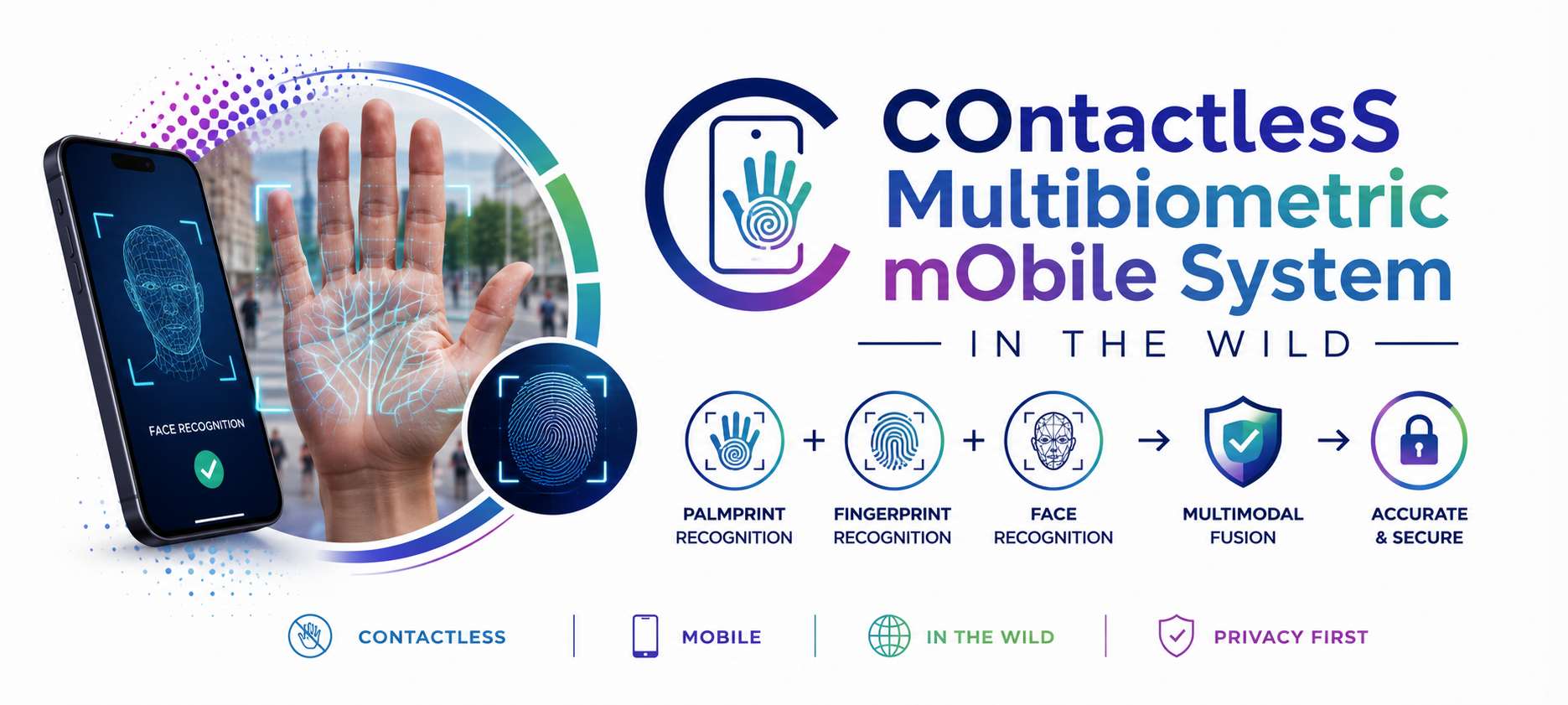
COSMOS developed a unified framework for contactless multibiometric recognition in unconstrained environments, using smartphones, tablets and mobile cameras. The project combined complementary physiological and behavioural traits—such as face, iris, fingerprint, palmprint, ear, gait and gaze—through context-adaptive acquisition, matching and fusion. Its research addressed recognition accuracy, usability, computational efficiency, spoof resistance and privacy protection for mobile and real-world applications.
Ongoing
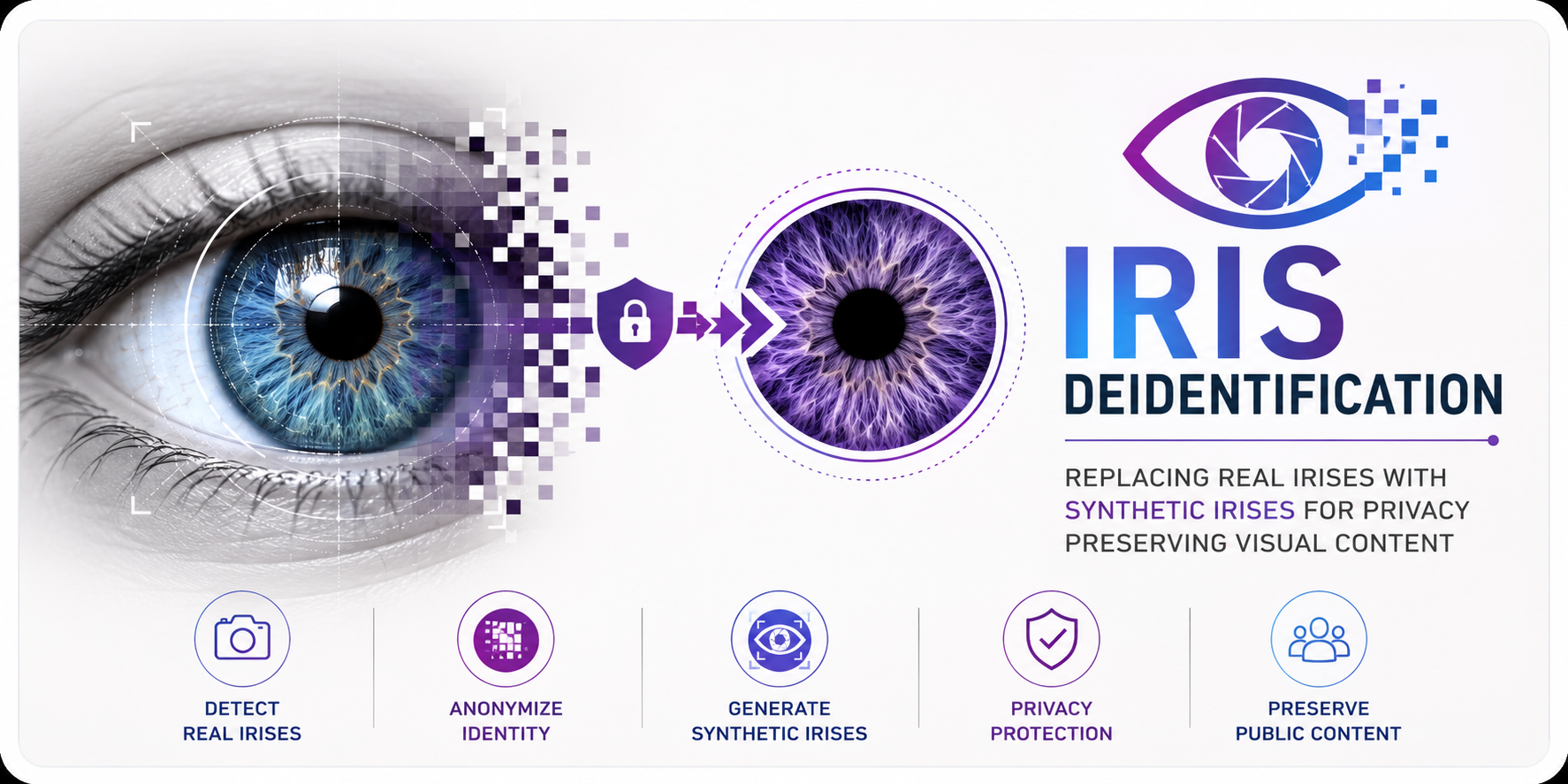
Iris Deidentification addresses the privacy risks created by high-resolution facial images published on websites and social networks, from which iris patterns may be extracted for biometric recognition. The project developed a generative adversarial network capable of replacing identity-related iris texture while preserving the natural appearance and overall utility of the original portrait. It also introduced the I-SOCIAL-DB dataset and evaluation protocols for studying ocular recognition and measuring the effectiveness and visual realism of iris deidentification.
Ongoing
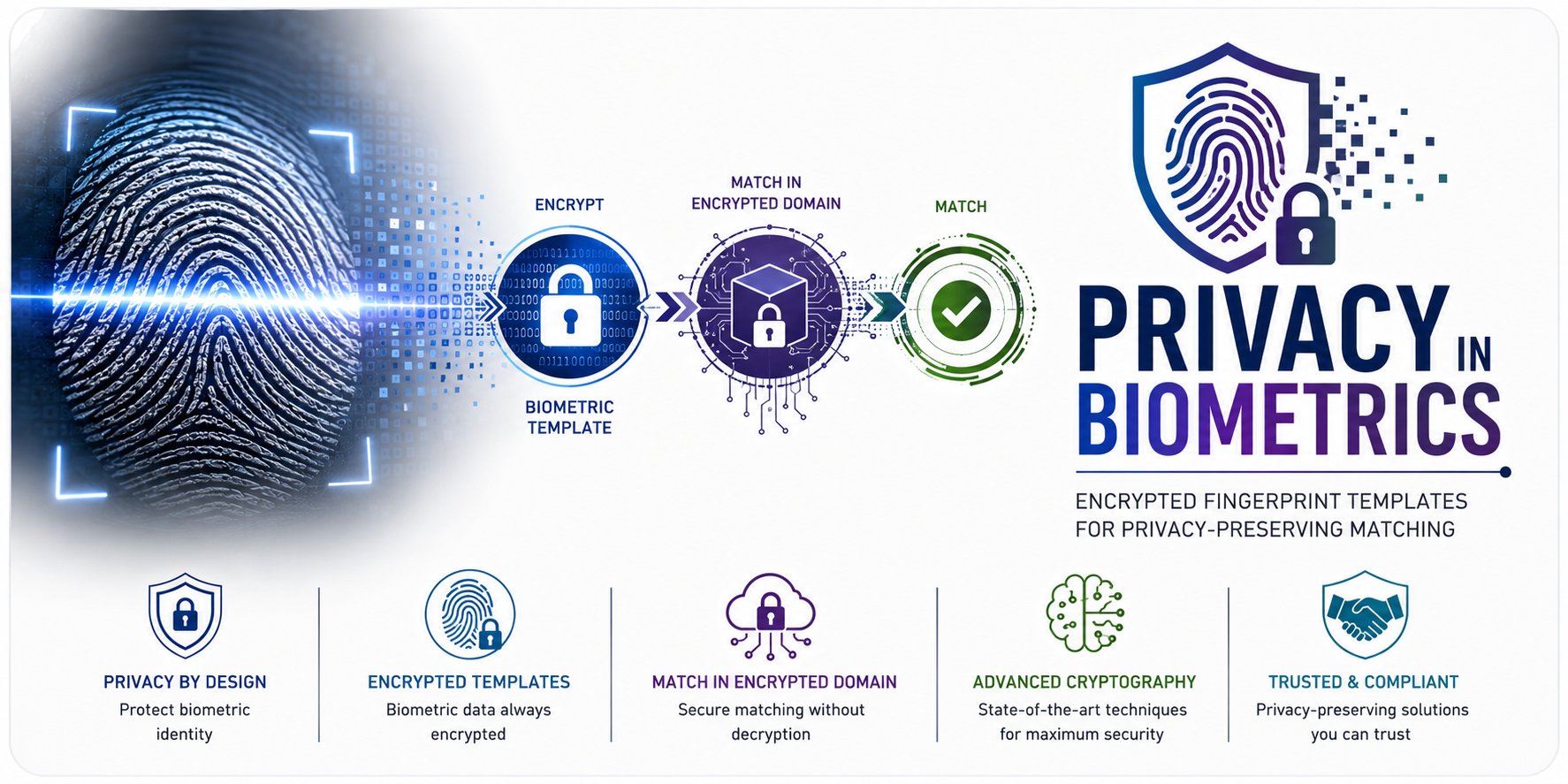
Privacy in Biometrics investigates methods for using biometric recognition without exposing the permanent and sensitive characteristics of individuals. The research combines multimodal biometrics, secure sketches, cryptographic identifiers and homomorphic encryption to protect templates during storage, transmission and matching. The resulting approaches enable accurate authentication while limiting information disclosure, preventing cross-database tracking and supporting revocable, privacy-aware biometric systems.
Ongoing
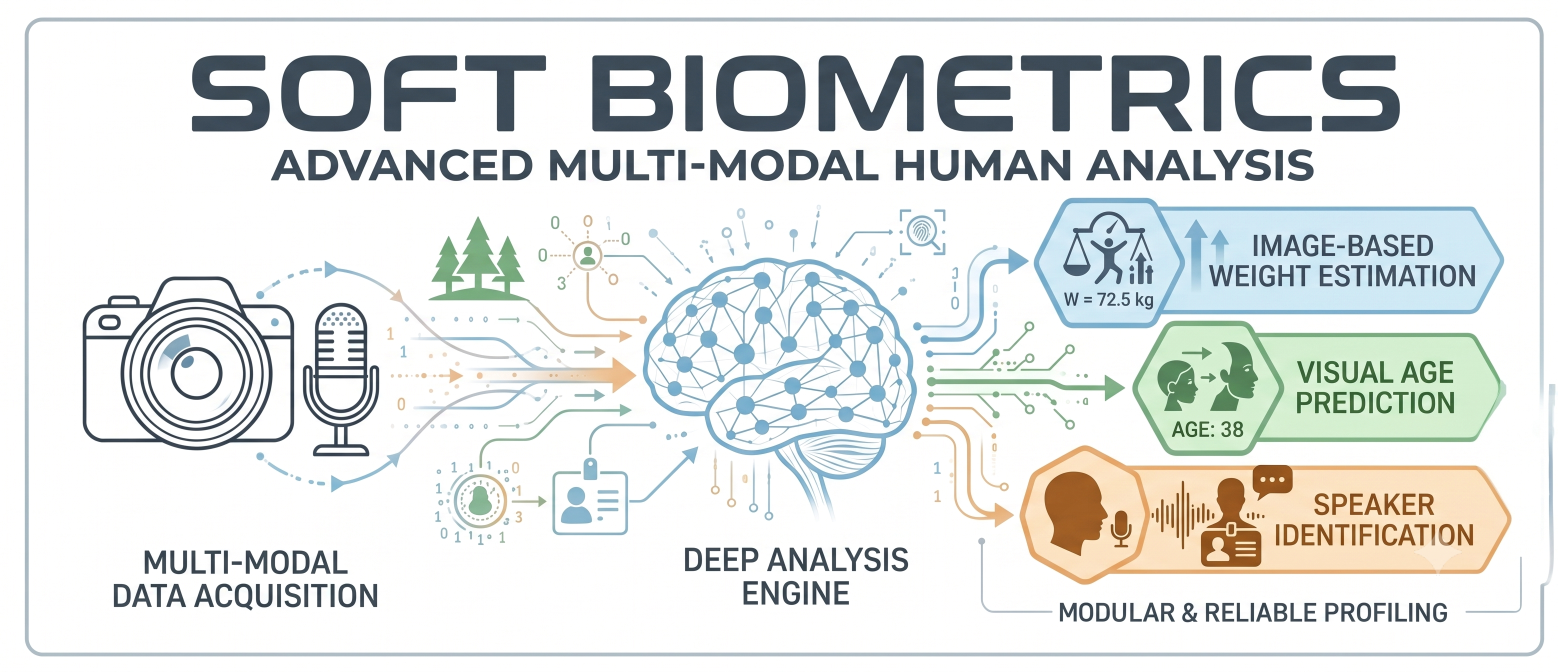
Soft Biometrics investigates the automatic extraction of personal characteristics—such as age and body weight—from facial images and video sequences acquired in non-cooperative, real-world conditions. The research combines image processing, pretrained deep neural networks, feature fusion and computational intelligence to obtain unobtrusive and computationally efficient estimates. These traits can support identification, surveillance, forensic analysis and human–machine interaction, either as preliminary filters or as complementary information in multimodal biometric systems.
Completed
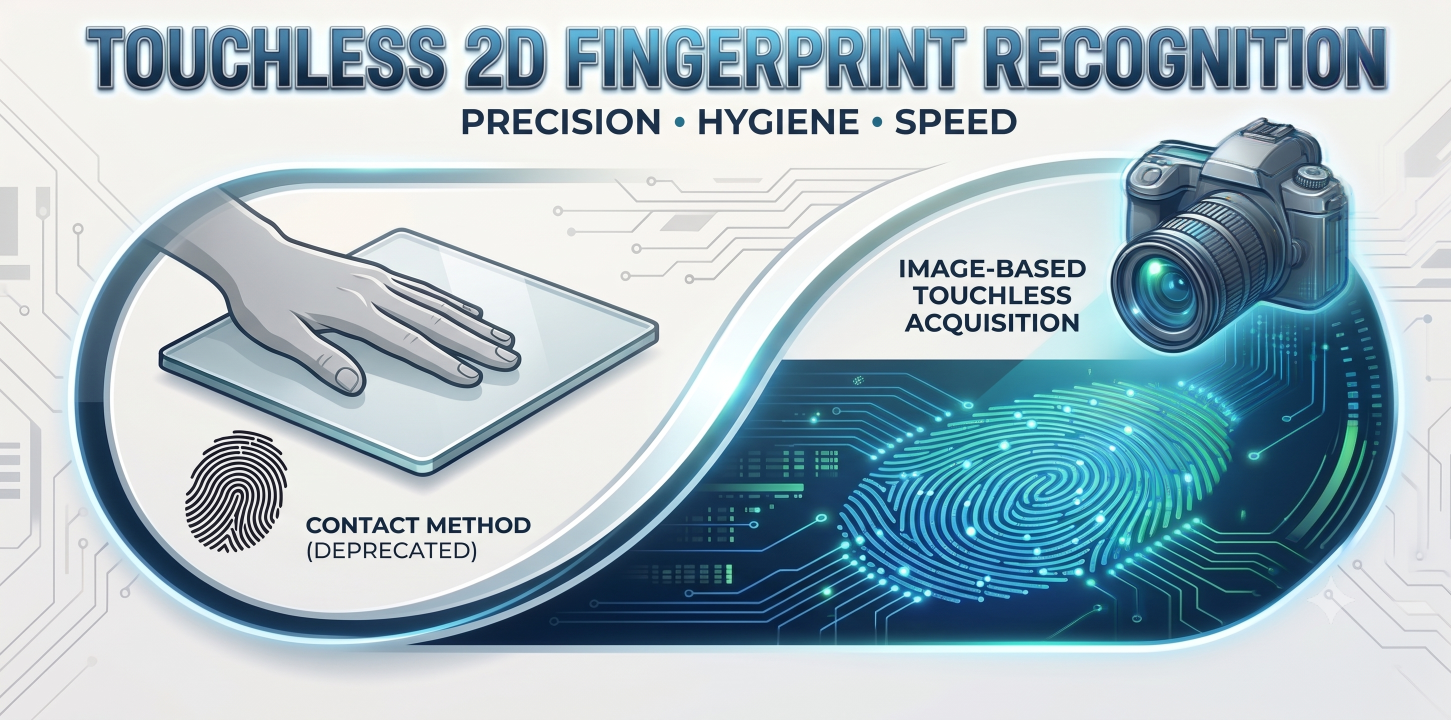
Touchless 2D Fingerprint Recognition investigates biometric systems that capture fingertip images with conventional cameras, webcams, or smartphones without requiring contact with a sensor. The research develops dedicated methods for image-quality assessment, ridge-pattern enhancement, geometric correction, feature extraction, and matching under variations in pose, distance, focus, illumination, and motion. It also explores deep-learning techniques for extracting fine Level-3 details, such as sweat pores, enabling more hygienic, usable, and widely deployable fingerprint recognition.
Ongoing
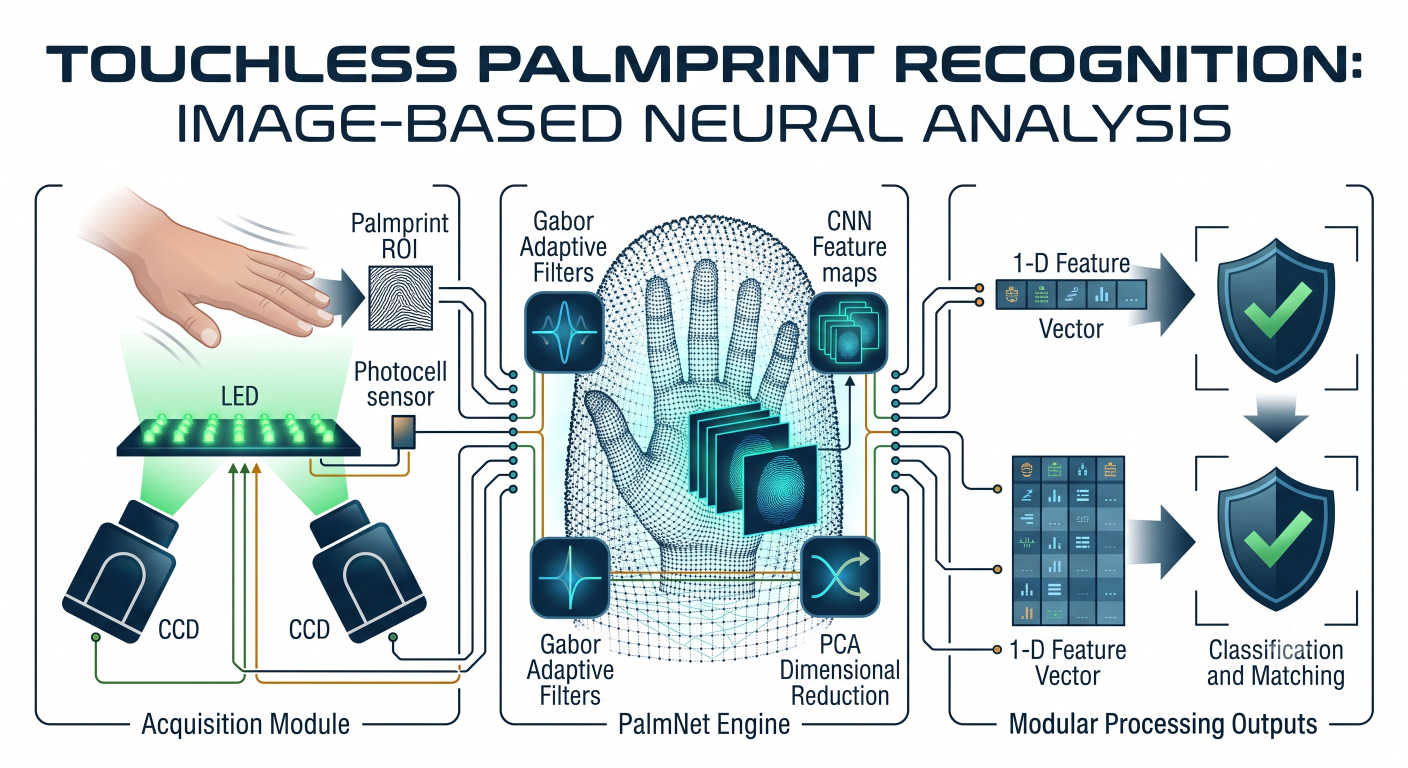
Touchless 2D Palmprint Recognition develops biometric methods that identify individuals from photographs of the palm acquired without physical contact, using cameras or mobile devices. The research addresses variations in hand position, scale, rotation, illumination and image quality through robust preprocessing, palm-specific descriptors and deep neural networks. It also combines palmprint and inner-finger texture extracted from the same hand image, improving recognition without requiring additional sensors or acquisitions.
Completed
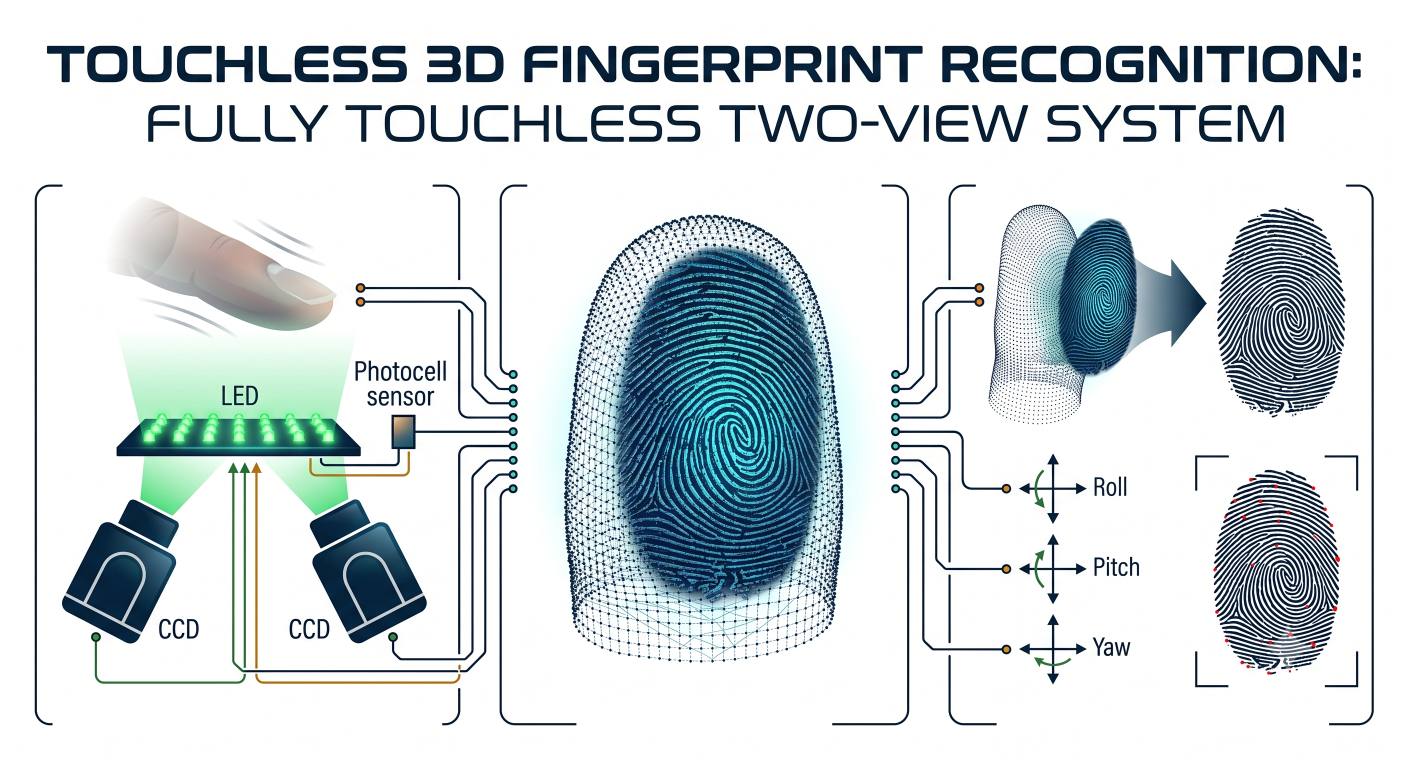
Touchless 3D Fingerprint Recognition develops biometric systems that reconstruct the three-dimensional shape and ridge texture of a fingertip from images captured without physical contact. Multi-camera acquisition, geometric reconstruction, unwrapping, quality assessment and rotation compensation produce touch-compatible fingerprints that remain robust to finger position, perspective and environmental variations. The resulting technology improves hygiene, usability and interoperability while supporting accurate, on-the-move fingerprint verification in less-constrained environments.
Completed
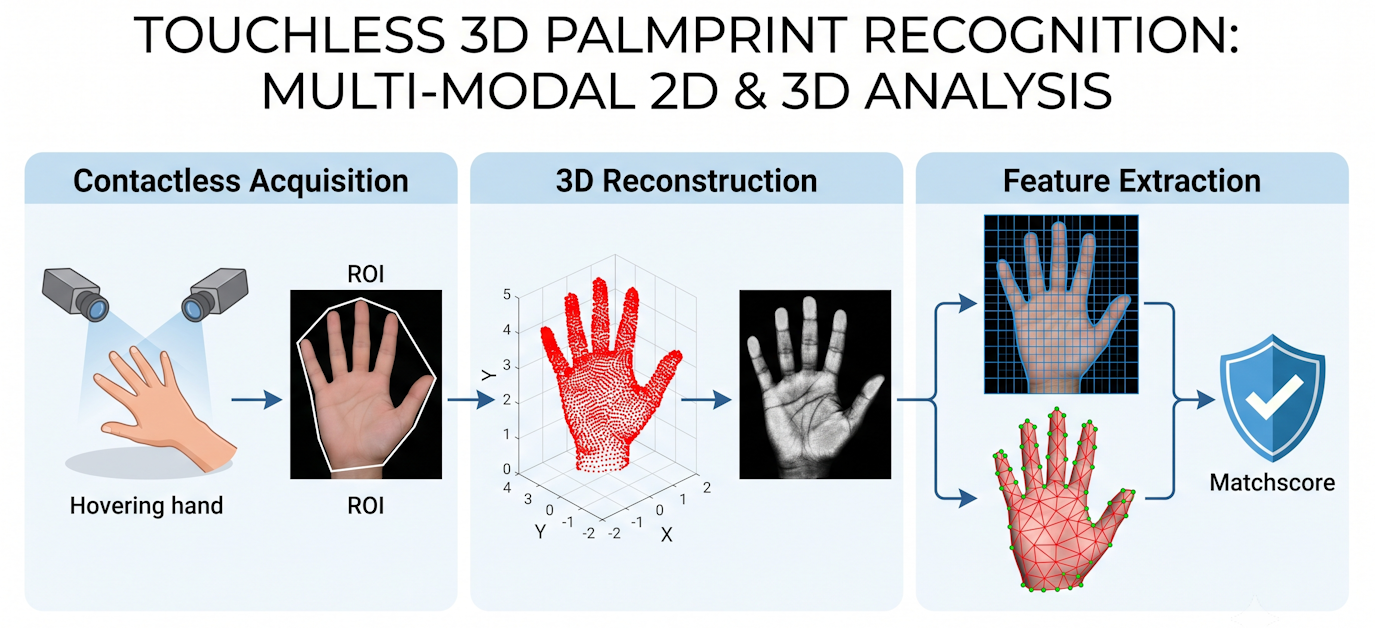
Touchless 3D Palmprint Recognition develops low-cost biometric systems that identify individuals from the three-dimensional shape and texture of the palm without requiring contact with a sensor. A two-camera acquisition setup and LED illumination reconstruct a metric 3D palm model, compensating for variations in hand pose, orientation, and distance. The approach combines 2D texture and 3D geometric features to achieve accurate, fast, hygienic, and user-friendly recognition in less-constrained conditions.
Ongoing
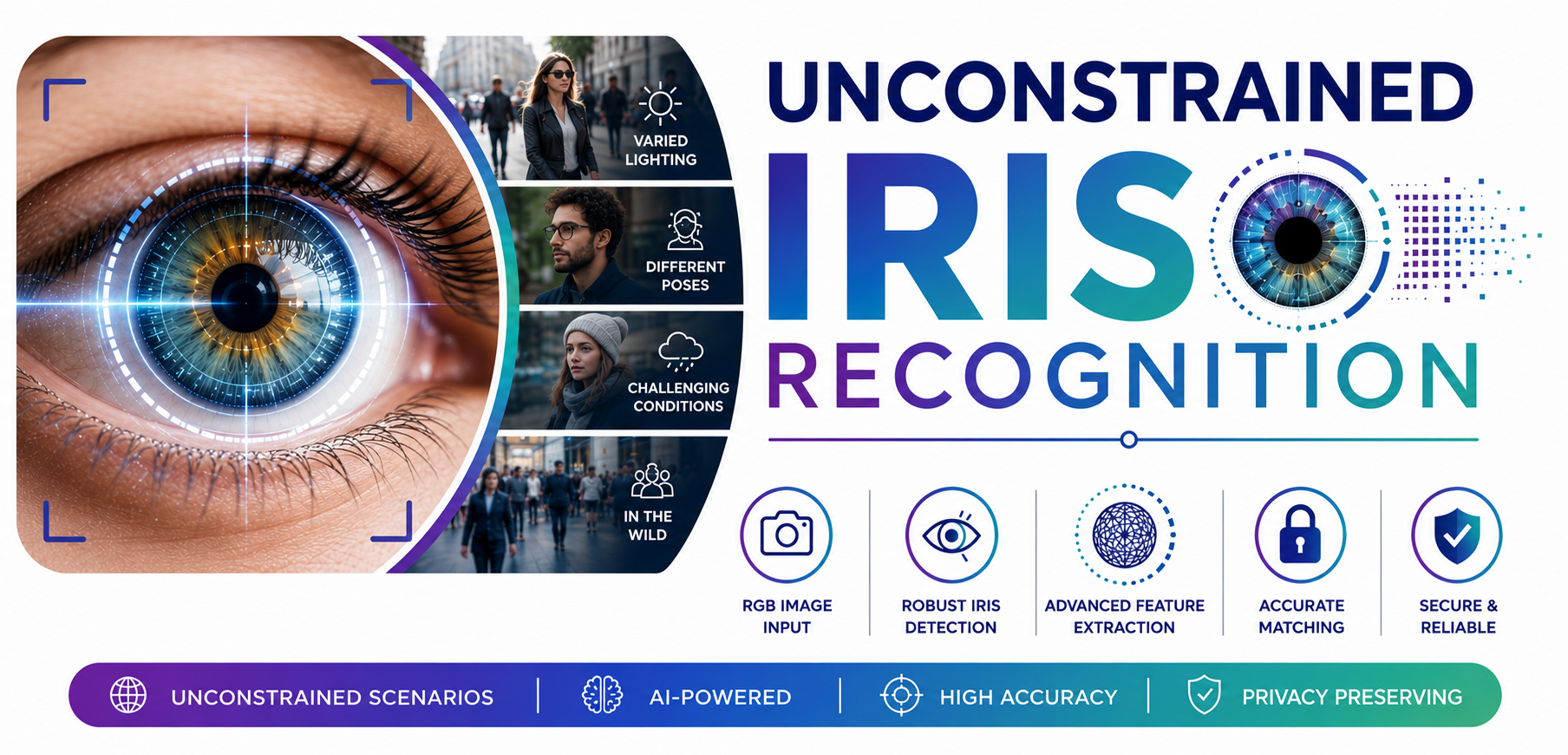
Unconstrained Iris Recognition investigates biometric recognition from ocular images captured in uncontrolled environments and with limited or no user cooperation. The research develops deep-learning methods for quality assessment, iris and reflection segmentation, super-resolution, feature extraction, and matching under blur, occlusion, gaze deviation, reflections, compression, and variable illumination. It enables iris recognition from consumer cameras, mobile devices, websites, and social media while also addressing computational efficiency, privacy risks, and biometric deidentification.